Benefits and Drawbacks of Metal Roofs in Florida
Florida’s unique climate presents specific challenges and opportunities when it comes to roofing materials. Metal roofs have become increasingly popular in the state, praised for their durability and energy efficiency. Yet, like any roofing option, metal roofs come with both advantages and disadvantages that homeowners should carefully consider before making a decision.
This article explores the pros and cons of metal roofs in Florida, helping you understand whether this roofing choice fits your needs and environment.
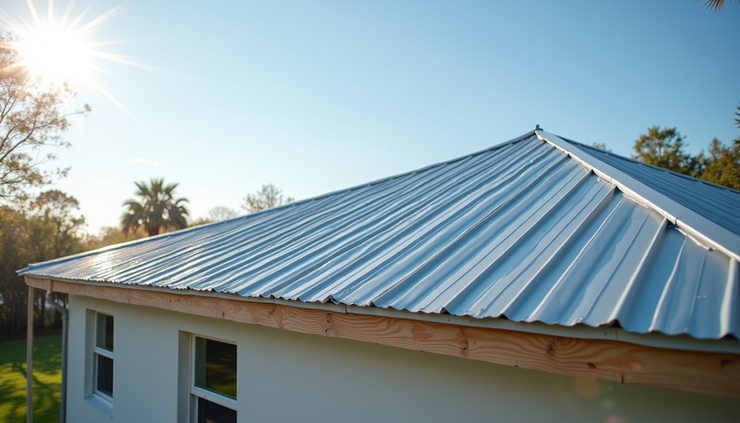
Why Metal Roofs Are Popular in Florida
Florida experiences intense sun, heavy rains, hurricanes, and high humidity. These factors demand roofing materials that can withstand extreme weather while keeping homes comfortable and protected. Metal roofs meet many of these demands, which explains their growing popularity.
Advantages of Metal Roofs in Florida
Long Lifespan and Durability
Metal roofs can last 40 to 70 years, significantly longer than traditional asphalt shingles, which typically last 15 to 20 years. This longevity is a major benefit in Florida, where storms and harsh weather can damage less resilient roofs.
Metal resists cracking, shrinking, and eroding.
It withstands high winds, often rated to resist winds up to 140 miles per hour.
Metal roofs are fire-resistant, an important safety feature.
Energy Efficiency and Cooling Benefits
Florida’s hot climate makes energy efficiency a priority. Metal roofs reflect solar radiant heat, reducing cooling costs by 10% to 25%. This reflective quality helps keep homes cooler during the long, hot summers.
Many metal roofs come with reflective coatings that enhance energy savings.
Reduced heat absorption means less strain on air conditioning systems.
Environmental Friendliness
Metal roofs are often made from recycled materials and are 100% recyclable at the end of their life. This makes them a sustainable choice compared to asphalt shingles, which contribute to landfill waste.
Metal roofs reduce the need for frequent replacements.
Their energy efficiency lowers overall carbon footprint.
Low Maintenance Requirements
Metal roofs require less maintenance than other roofing materials. They do not need regular treatments or repairs for moss, algae, or rot, which are common problems in Florida’s humid environment.
Occasional inspections and cleaning are usually sufficient.
Metal roofs resist mold and mildew growth.
Lightweight and Easy Installation
Metal roofing materials are lighter than tile or concrete, reducing stress on the building’s structure. This can be especially beneficial for older homes or those with weaker framing.
Installation is faster, which can reduce labor costs.
Metal panels can be installed over existing roofs in some cases, saving removal costs.
Disadvantages of Metal Roofs in Florida
Higher Initial Cost
Metal roofs generally cost more upfront than asphalt shingles or other common roofing materials. The price can be two to three times higher, depending on the metal type and roof complexity.
The initial investment may deter some homeowners.
However, long-term savings on maintenance and energy can offset this cost.
Noise During Rain and Storms
Metal roofs can be noisier than other materials during heavy rain or hailstorms. The sound of raindrops hitting the metal surface can be loud inside the home.
Adding insulation or soundproofing materials can reduce noise.
Some homeowners may find the noise disruptive.
Potential for Denting and Damage
While metal roofs are durable, they can dent from large hail or falling branches. Florida’s frequent storms increase the risk of such damage.
Thicker metal panels offer better resistance to dents.
Regular inspections after storms are recommended.
Expansion and Contraction Issues
Metal expands and contracts with temperature changes, which can cause fasteners to loosen over time. This movement might lead to leaks if not properly installed.
Professional installation is crucial to manage these effects.
Using high-quality fasteners and clips helps maintain roof integrity.
Limited Style Options
Although metal roofs come in various colors and styles, they may not suit every architectural design or homeowner’s aesthetic preference.
Some may find metal roofs less visually appealing than traditional shingles or tiles.
However, modern metal roofing offers more design flexibility than in the past.
Practical Considerations for Florida Homeowners
Choosing the Right Metal Material
Common metals used for roofing include steel, aluminum, copper, and zinc. In Florida, aluminum is often preferred because it resists corrosion from salt air, especially in coastal areas.
Steel is strong and affordable but may require protective coatings.
Copper and zinc are durable but more expensive.
Importance of Proper Installation
The performance of a metal roof depends heavily on installation quality. Poor installation can lead to leaks, noise, and reduced lifespan.
Hire experienced roofing contractors familiar with Florida’s climate.
Ensure proper sealing, fastening, and ventilation.
Insurance and Building Codes
Metal roofs may qualify for insurance discounts due to their durability and resistance to wind damage. Check with your insurance provider.
Verify that the metal roof meets local building codes and hurricane standards.
Some areas may require specific certifications for roofing materials.
Summary of Metal Roof Pros and Cons in Florida
| Pros | Cons |
|----------------------------------|----------------------------------|
| Long lifespan (40-70 years) | Higher upfront cost |
| Energy efficient, reduces cooling costs | Can be noisy during rain |
| Durable against wind and fire | Possible denting from hail |
| Low maintenance | Expansion and contraction issues |
| Environmentally friendly | Limited style options |
| Lightweight and easy to install | Requires professional installation|
Final Thoughts on Metal Roofing in Florida
Metal roofs offer strong protection against Florida’s challenging weather, with benefits like long life, energy savings, and low maintenance. The higher initial cost and potential noise issues are important to weigh against these advantages.


Comments