The Essential Benefits of Regular Roof Inspections for Homeowners
A roof is one of the most critical parts of any home. It protects everything inside from weather, pests, and damage. Yet, many homeowners overlook the importance of regular roof inspections until a problem becomes obvious and costly. Regular roof inspections can save you money, extend the life of your roof, and keep your home safe. This post explains why scheduling roof inspections is essential and how it benefits you as a homeowner.
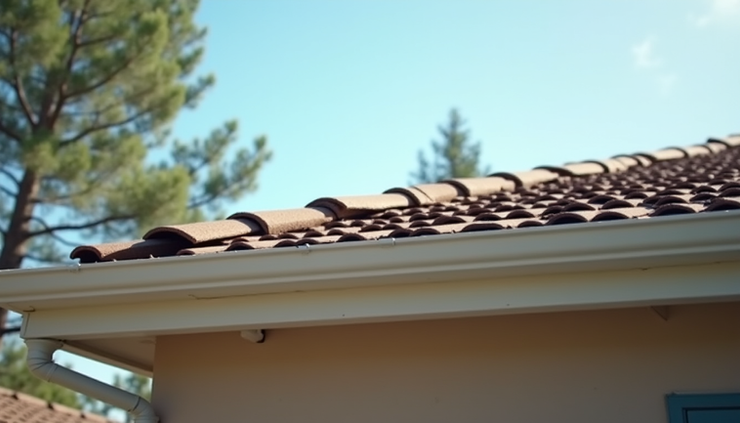
Why Roof Inspections Matter
Roofs face constant exposure to sun, rain, wind, snow, and temperature changes. Over time, these elements cause wear and tear that may not be visible from the ground. Small issues like cracked shingles, loose flashing, or clogged gutters can lead to leaks, mold growth, and structural damage if left unchecked.
Regular inspections help catch these problems early. A professional roofer can identify weak spots, missing shingles, or damaged seals before they turn into expensive repairs. This proactive approach prevents water damage that can affect ceilings, walls, insulation, and even the foundation.
How Often Should You Inspect Your Roof?
Experts recommend inspecting your roof at least twice a year: once in the spring and once in the fall. These seasons are ideal because they follow harsh weather conditions like winter snow and summer storms. Additionally, it’s wise to check your roof after severe weather events such as heavy storms, hail, or strong winds.
Besides professional inspections, homeowners should perform a basic visual check from the ground every few months. Look for missing shingles, debris buildup, or sagging areas. If you notice anything unusual, schedule a detailed inspection promptly.
Key Benefits of Regular Roof Inspections
1. Early Detection of Damage
Finding damage early means you can fix it before it worsens. For example, a small leak can be sealed quickly, but if ignored, it might cause rot in the roof deck or damage to the attic. Early repairs are usually less expensive and less disruptive.
2. Extending Roof Lifespan
Roofs are a significant investment, often costing thousands of dollars. Regular inspections and maintenance can add years to your roof’s life by preventing minor issues from escalating. This means you get more value from your initial investment.
3. Protecting Home Value
A well-maintained roof improves your home’s curb appeal and market value. If you plan to sell your house, having a recent roof inspection report can reassure buyers that the roof is in good condition, potentially speeding up the sale and increasing the offer price.
4. Avoiding Health Risks
Leaks and moisture buildup can lead to mold and mildew growth inside your home. Mold spores can cause respiratory problems and allergic reactions. Regular roof inspections help prevent these health hazards by ensuring your roof remains watertight.
5. Insurance and Warranty Compliance
Many roofing warranties require regular inspections and maintenance to remain valid. Insurance companies may also require proof of roof upkeep when processing claims. Keeping up with inspections ensures you meet these requirements and avoid claim denials.
What Happens During a Roof Inspection?
A professional roofer will examine several key areas:
Shingles or tiles: Checking for cracks, curling, missing pieces, or granule loss.
Flashing: Inspecting metal seals around chimneys, vents, and skylights for gaps or rust.
Gutters and downspouts: Ensuring they are clear of debris and properly attached.
Roof structure: Looking for sagging, rot, or damage to the decking.
Attic: Checking for signs of leaks, moisture, or insulation issues.
The roofer may use binoculars, ladders, or drones to get a thorough view. After the inspection, you will receive a detailed report with photos and recommendations.
DIY Roof Inspection Tips for Homeowners
While professional inspections are essential, homeowners can perform simple checks to stay informed:
Walk around your home and look for missing or damaged shingles.
Check gutters for leaves, twigs, or signs of water overflow.
Look inside your attic for water stains or damp insulation.
After storms, inspect the roof for new damage.
Trim overhanging tree branches that could scrape or fall on the roof.
Always prioritize safety. Do not climb on the roof if you are unsure or if the surface is slippery. Use binoculars or hire a professional instead.
Common Roof Problems Found During Inspections
Shingle damage: Cracked, curled, or missing shingles reduce protection.
Leaks: Water stains or mold inside the attic indicate leaks.
Flashing issues: Loose or rusted flashing can allow water entry.
Clogged gutters: Blocked gutters cause water to back up and damage the roof edge.
Ventilation problems: Poor attic ventilation can cause heat buildup and damage shingles.
Addressing these problems early prevents costly repairs and keeps your home safe.
Choosing the Right Professional for Roof Inspections
Not all roofers offer inspection services. Look for licensed, insured professionals with good reviews and experience in your roof type. Ask for a written estimate and a clear inspection report. A trustworthy roofer will explain findings in plain language and provide options for repairs or maintenance.
Final Thoughts on Roof Inspections
Regular roof inspections are a smart way to protect your home, save money, and avoid stress. By scheduling inspections twice a year and after major weather events, you catch problems early and extend your roof’s life. Simple DIY checks help you stay aware of your roof’s condition between professional visits.
Don’t wait for leaks or visible damage to take action. Make roof inspections part of your home maintenance routine. Your roof shields your family and belongings, so keeping it in good shape is one of the best investments you can make.


Comments